Introduction
Pizza is one of the most loved and widely enjoyed foods in the world. Its delicious combination of freshly baked dough, flavorful sauce, melted cheese, and tasty toppings makes it a favorite meal for millions of people. Whether someone prefers a simple cheese pizza or a fully loaded chicken pizza, there is always a variety to satisfy different tastes.
Pizza is more than just a fast food item. It is also a popular choice for birthday celebrations, family dinners, friendly gatherings, and weekend meals. People enjoy ordering pizza from restaurants or preparing it at home using fresh ingredients.
With the growing popularity of food delivery services, enjoying a hot and delicious pizza has become easier than ever. In this article, we will explore different pizza styles, ingredients, preparation methods, nutritional value, and reasons behind its worldwide popularity.
How Is Pizza Prepared?
Pizza preparation begins with making fresh dough using flour, water, yeast, salt, and sometimes olive oil. The dough is kneaded and allowed to rise before being shaped into a round or rectangular base.
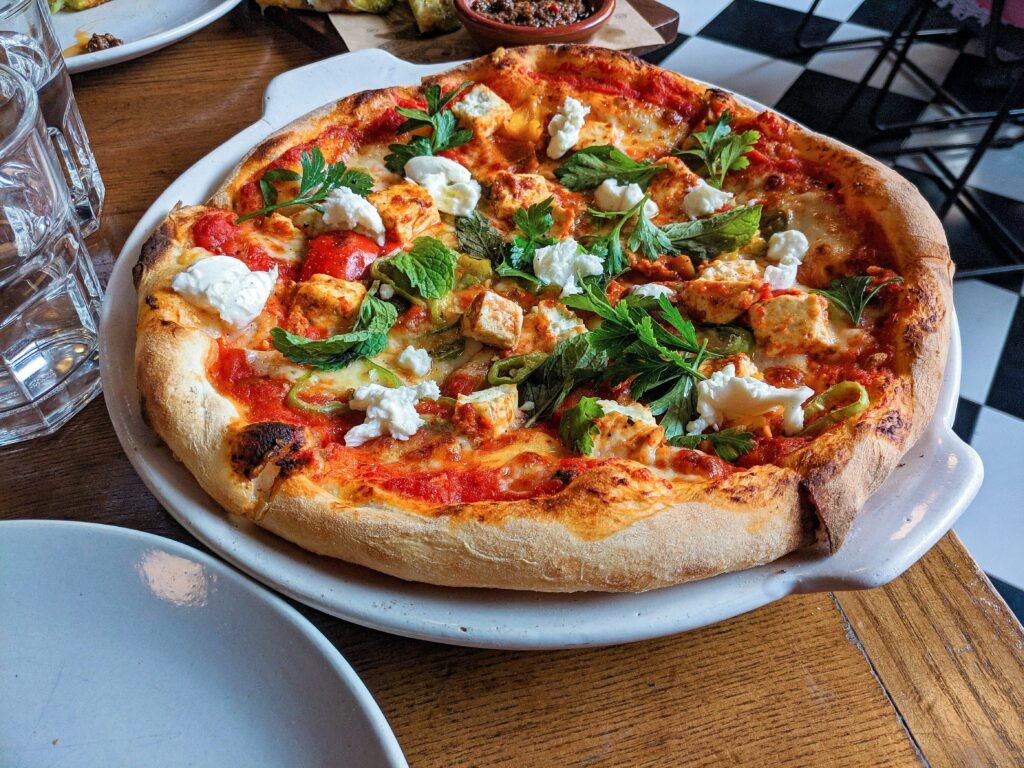
A layer of tomato sauce is spread over the dough, followed by mozzarella cheese and selected toppings. Popular toppings include chicken, beef, mushrooms, onions, olives, tomatoes, and capsicum.
The prepared pizza is baked in an oven until the crust becomes golden and the cheese melts. Some restaurants use traditional wood-fired ovens to create a special smoky flavor.
The final result is a delicious meal with a crispy or soft crust, flavorful toppings, and melted cheese.
Different Pizza Styles Around the World
Pizza has developed into many different styles. Each style has its own appearance, texture, and flavor.
- Neapolitan Pizza
Neapolitan pizza comes from Naples, Italy. It is known for its soft center, thin base, fresh tomato sauce, mozzarella cheese, and simple toppings. Traditional Neapolitan pizza is cooked at a very high temperature for a short time.
- New York Style Pizza
New York-style pizza is famous for its large and thin slices. Its crust is usually flexible, allowing people to fold each slice while eating. It commonly includes tomato sauce and mozzarella cheese.
- Chicago Deep-Dish Pizza
Chicago deep-dish pizza is different because of its thick crust and deep baking pan. It contains generous layers of cheese, toppings, and tomato sauce. It is often eaten with a knife and fork.
- Sicilian Pizza
Sicilian pizza is generally rectangular and has a thick, soft base. It is often topped with tomato sauce, cheese, herbs, and other ingredients.
- California Style Pizza
California-style pizza is famous for creative toppings and fresh ingredients. Restaurants may use vegetables, grilled chicken, unusual cheeses, and seasonal ingredients.
Best Pizza Toppings to Try
Toppings play an important role in the overall taste of pizza. Different combinations create unique flavors.
Grilled Chicken: Adds a delicious protein-rich topping.
Mozzarella Cheese: Creates a creamy and stretchy texture.
Mushrooms: Provide an earthy flavor.
Black Olives: Add a slightly salty taste.
Onions: Improve flavor and texture.
Capsicum: Adds color and freshness.
Jalapenos: Give pizza a spicy kick.
Sweet Corn: Provides a naturally sweet flavor.
Fresh Tomatoes: Add moisture and freshness.
Customers can combine their favorite toppings to create a personalized pizza.
Why Fresh Ingredients Matter in Pizza
Fresh ingredients are essential for preparing high-quality pizza. Fresh vegetables provide better flavor, while good-quality cheese creates a smooth and delicious topping.
Fresh dough also plays an important role in pizza preparation. Properly prepared dough gives the crust its desired texture and taste.
Using quality sauces and properly cooked toppings can improve the overall food experience. Restaurants that focus on fresh ingredients often provide more satisfying meals.
Nutritional Value of Pizza
- Protein: Cheese, chicken, and meat toppings provide protein that helps build and repair body tissues.
- Carbohydrates: Pizza dough contains carbohydrates that supply energy to the body.
- Calcium: Mozzarella and other cheeses provide calcium, which supports healthy bones and teeth.
- Vitamins: Tomato sauce and vegetable toppings provide vitamins and beneficial plant compounds.
- Minerals: Different pizza ingredients may contain minerals such as phosphorus and potassium.
Pizza can provide different nutrients depending on its ingredients and preparation method.
The nutritional value of pizza varies according to portion size, toppings, crust, and cooking method.
Tips for Choosing a Better Pizza
You can enjoy pizza while making smarter food choices. Consider these simple suggestions:
Choose vegetable toppings for additional nutrients.
Select grilled chicken instead of processed meat.
Avoid excessive cheese and creamy sauces.
Choose a moderate portion size.
Try whole-wheat crust when available.
Add fresh vegetables to your meal.
Choose water instead of sugary beverages.
These choices can help make pizza part of a balanced eating routine.
Pizza and Modern Food Culture
Pizza has become a major part of modern food culture. It is enjoyed in homes, restaurants, offices, schools, and social gatherings.
One reason for its popularity is customization. Customers can select their preferred crust, sauce, cheese, and toppings. Restaurants also introduce seasonal recipes and special offers to attract new customers.
Online food delivery has made pizza even more accessible. People can browse menus, compare flavors, and order their favorite meals through mobile applications.
Social media has also influenced pizza trends. Food lovers regularly share pictures of cheese-filled crusts, creative toppings, and restaurant-style pizza recipes.
How to Store and Reheat Pizza
Proper storage helps maintain pizza quality and food safety. Leftover pizza should be refrigerated within two hours of cooking and stored in a covered container.
When reheating pizza, an oven or frying pan can help restore some of its original crispiness. Make sure the pizza is reheated thoroughly before eating.
Avoid leaving cooked pizza at room temperature for extended periods.
Conclusion
Pizza is a delicious and versatile food that has become popular in almost every part of the world. Its combination of fresh dough, flavorful sauces, melted cheese, and different toppings makes it suitable for many occasions.
From traditional Neapolitan pizza to New York-style and Chicago deep-dish pizza, there are countless varieties to explore. Pizza can also provide protein, carbohydrates, calcium, and other nutrients depending on its ingredients.
Choosing fresh toppings, controlling portion sizes, and avoiding excessive cheese can help make pizza a more balanced meal. Whether you enjoy it at a restaurant or prepare it at home, pizza remains a wonderful food choice for sharing delicious moments with family and friends.